
-
Call Us +971 67657121
-
Send Message salesmem@mermgroup.com
-
Our Location UMM DEARA, AL TAWOON NEW INDUSTRIAL AREA, UMM AL QUIWAN

Conveyor Idlers Manufacturer
Efficient material handling systems depend on durable, low-friction conveyor idlers. We manufacture heavy-duty conveyor belt idlers engineered for reliable belt support, smooth operation and long service life.
Our industrial conveyor idlers are used in mining, cement plants, steel manufacturing, ports, power plants, bulk material handling facilities and conveyor infrastructure projects.

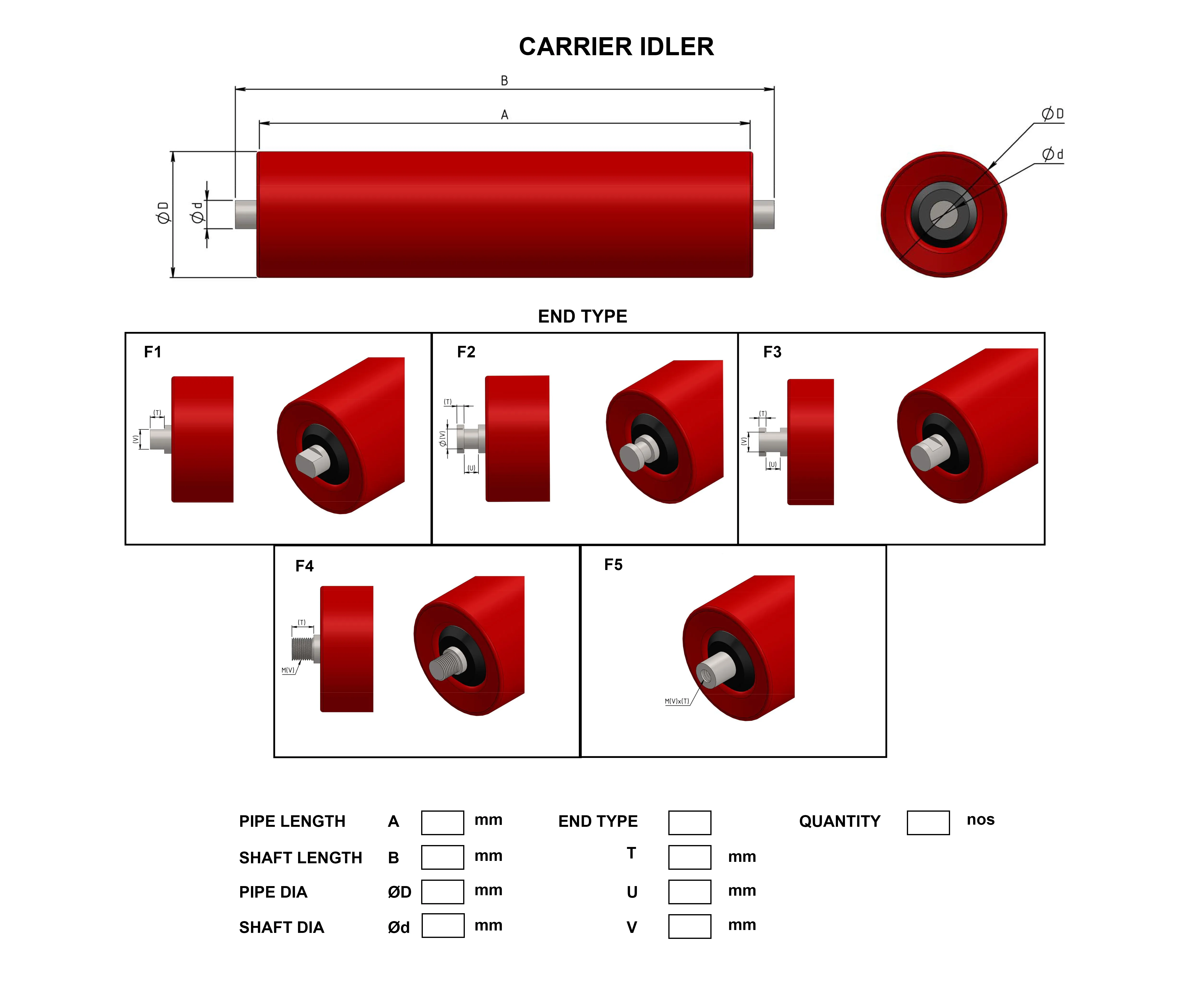
What Are Conveyor Idlers?
Conveyor idlers are cylindrical rollers installed along a conveyor frame to support and guide the conveyor belt during material transportation. They reduce friction, maintain belt alignment and distribute load evenly across the conveyor system.
- Support belt and conveyed material load
- Reduce conveyor belt wear
- Ensure smooth belt travel
- Prevent belt misalignment
- Minimize operational downtime
- Improve system efficiency and belt life
Types of Conveyor Idlers We Manufacture
We manufacture a complete range of conveyor idlers for different load capacities, belt widths, trough angles and operating environments.
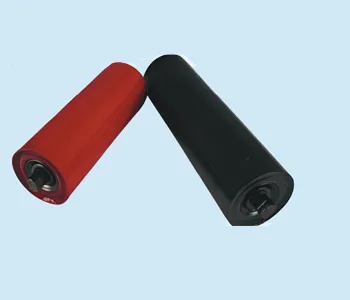
Carrier Idlers
Carrier idlers support the loaded belt, commonly using trough arrangements with 20, 30 or 45 degree angles for bulk material handling.
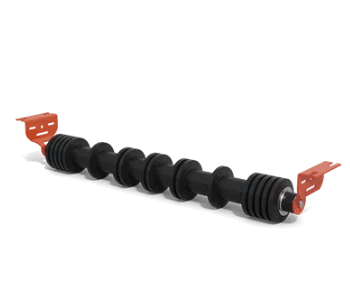
Return Idlers
Return idlers support the empty belt on the return side, reducing belt sagging and helping maintain smooth conveyor operation.
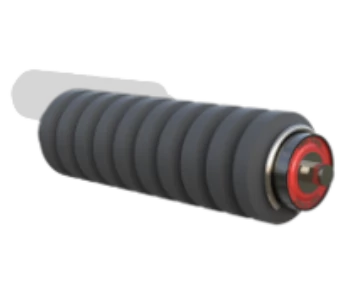
Impact Idlers
Impact idlers use rubber cushioning to absorb shock at loading zones and protect conveyor belts from material impact damage.
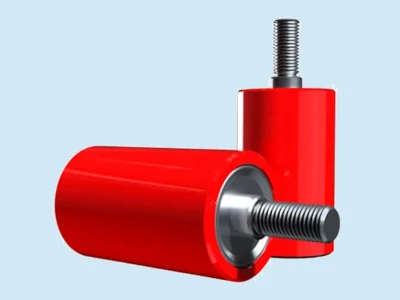
Self-Aligning Idlers
Self-aligning idlers correct belt tracking, reduce spillage and improve conveyor efficiency where misalignment risk is high.
Technical Specifications
Our conveyor idlers are manufactured to strict engineering standards for durability, low rolling resistance and long-term performance.
| Roller Diameter | Custom sizes available according to belt width, load and conveyor design. |
|---|---|
| Roller Length | Manufactured based on belt width and idler arrangement. |
| Shaft Material | EN8, EN19 and alloy steel options for heavy-duty applications. |
| Bearing Type | Sealed deep groove ball bearings for dust protection and minimal maintenance. |
| Shell Material | Mild steel or stainless steel based on duty and corrosion requirements. |
| Surface Treatment | Galvanized, powder coated, epoxy coated or anti-corrosion painted finishes. |
Conveyor Idler Manufacturing Process
Our manufacturing process is designed to maintain alignment, concentricity, bearing protection and reliable rotation in demanding conveyor systems.
Engineering and Design
We analyze load requirements, belt speed, material characteristics and environmental conditions for optimal belt support.
Tube Cutting and Shaft Machining
CNC machining helps ensure precise alignment, concentricity and repeatable roller dimensions.
Bearing Assembly
High-quality sealed bearings are fitted to reduce maintenance and protect against dust, moisture and contaminants.
Welding and Finishing
Welding, surface coating and corrosion protection improve structural stability and durability in harsh environments.
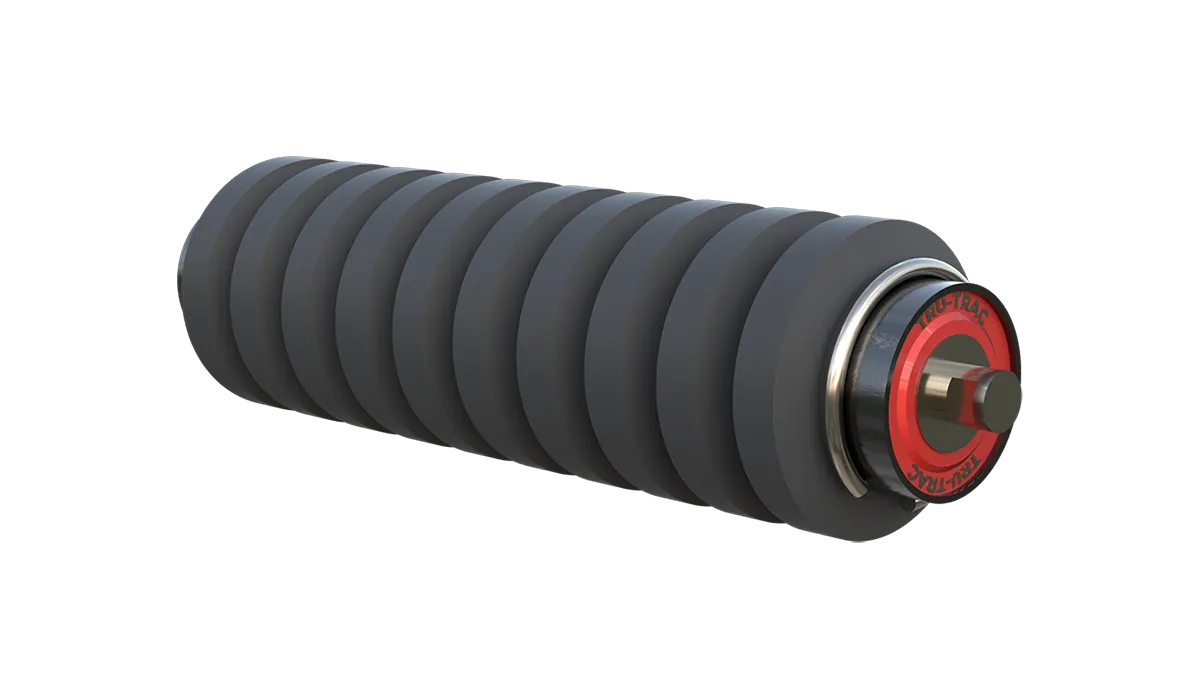
Engineering Excellence
- Precision machining and accurate roller alignment
- Dynamic balancing for smooth rotation
- High-quality bearing sealing systems
- Low rolling resistance design for reduced energy consumption
Applications of Conveyor Idlers
Our conveyor idlers are used across industries where reliable belt support and continuous material movement are essential.
Mining Industry
Heavy-duty idlers for bulk material transportation in abrasive environments.
Cement Industry
Durable idlers for dusty, high-load and high-temperature conveyor lines.
Steel and Metal Processing
Corrosion-resistant conveyor idlers for industrial processing facilities.
Ports and Bulk Handling
Reliable idlers for continuous cargo handling, stockyards and transfer systems.
Power Plants
Efficient idlers for coal handling and other continuous-duty conveyor systems.
Aggregate Processing
Low-maintenance rollers for quarry, crushing and screening conveyor operations.
Advantages of High-Quality Conveyor Idlers
- Reduced energy consumption through low rolling resistance
- Extended conveyor belt life through proper load distribution
- Improved operational efficiency with smooth roller rotation
- Lower maintenance cost from sealed bearing systems
- Enhanced safety through better belt alignment and tracking
Custom Conveyor Idler Solutions
- Custom roller diameter and length for unique belt specifications
- Heavy-duty construction for high-load operating environments
- Specialized sealing systems for dust, moisture and contaminants
- Custom surface coatings for corrosion protection
- Project-specific carrier, return, impact and self-aligning idler designs
Quality Assurance and Compliance
Conveyor idlers undergo rigorous inspection so they can deliver reliable rotation, alignment and load support in industrial environments.
- Dimensional inspection and concentricity testing
- Bearing performance testing
- Surface finish inspection
- Material and shaft checks where required
- Quality documentation for project-based supply
Maintenance Guidelines
Proper maintenance improves idler service life and helps prevent belt damage, noise and unscheduled downtime.
- Inspect for excessive vibration and abnormal noise
- Check for belt misalignment and roller seizure
- Monitor sealed bearing condition
- Remove debris buildup around idler frames
- Replace worn idlers before they damage the conveyor belt
Frequently Asked Questions About Conveyor Idlers
What is the function of conveyor idlers?
Conveyor idlers support the conveyor belt, reduce friction and help maintain belt alignment during material handling.
What types of conveyor idlers are commonly used?
Common types include troughing carrier idlers, return idlers, impact idlers and self-aligning idlers.
How do I select the right conveyor idler?
Selection depends on belt width, load capacity, belt speed, material type, trough angle and operating environment.
How often should conveyor idlers be replaced?
Replacement depends on wear levels and operating conditions. Regular inspections help determine the correct service interval.
What materials are used in conveyor idlers?
Conveyor idlers are typically made with steel shells, alloy steel shafts, sealed bearings and protective coatings.
How do conveyor idlers improve efficiency?
High-quality idlers reduce friction, minimize belt wear, improve tracking and lower energy consumption.
Contact Us for High-Performance Conveyor Idlers
Our team can support technical consultation, custom fabrication, bulk supply and project-specific conveyor idler solutions.